


disc therapy
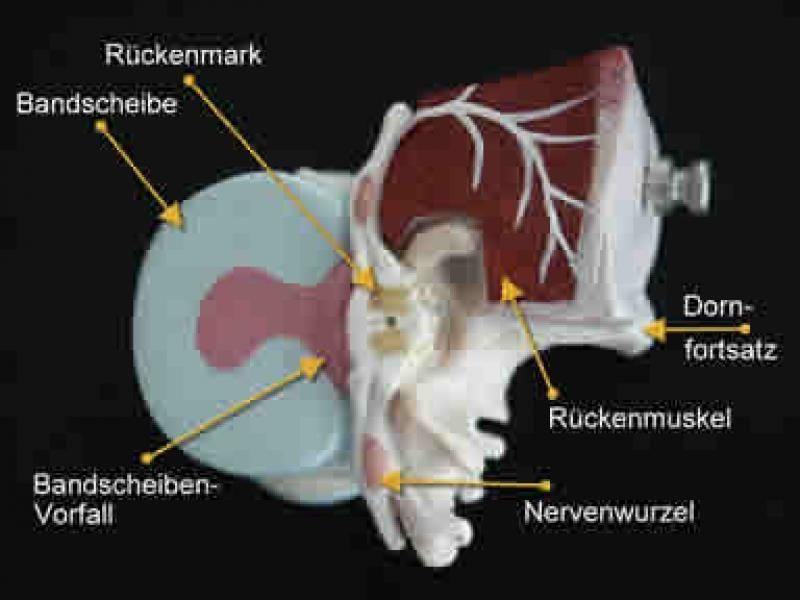
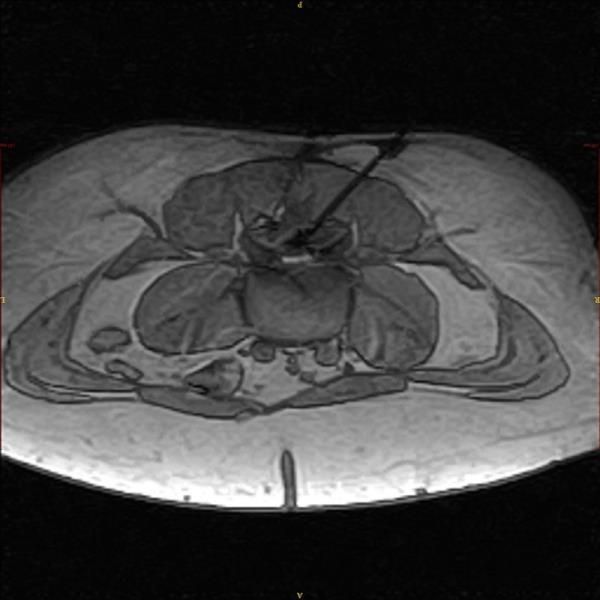
Many people – often still young – suffer from back pain, which is frequently caused by herniated discs. Thanks to modern imaging techniques such as magnetic resonance imaging (MRI), also known as nuclear magnetic resonance imaging, such cases can now be diagnosed quickly and precisely. This exact localization forms the basis for targeted and effective therapy.
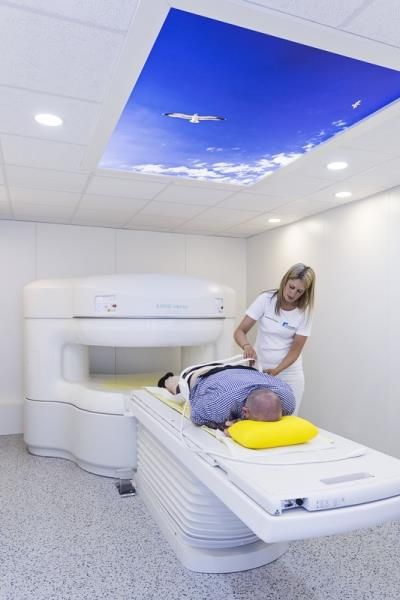
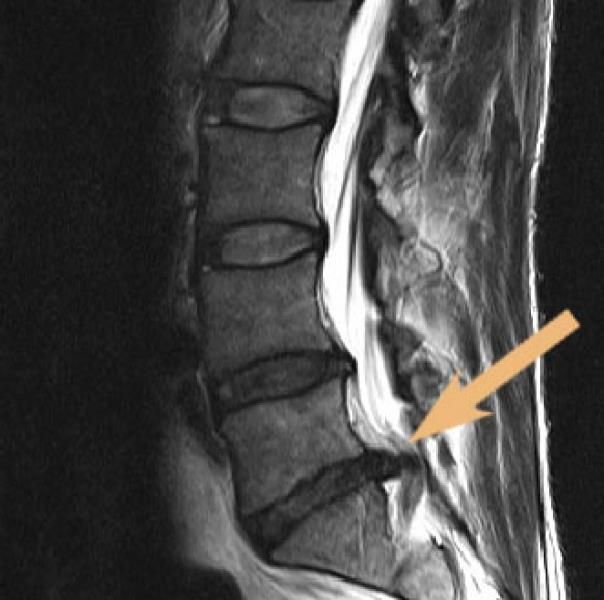
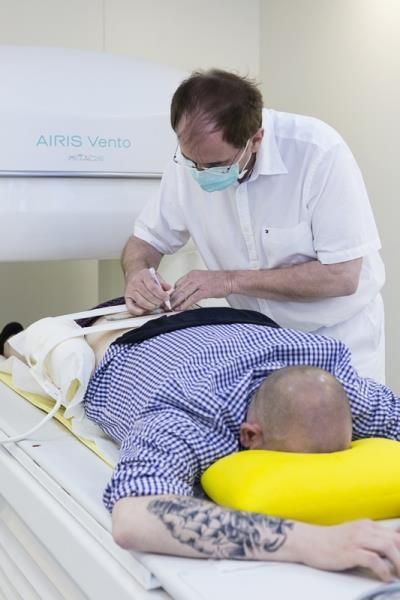
What effect does MRI-guided PDI therapy (peridural infiltration therapy) have?
During the aforementioned examination, anti-inflammatory medication is injected into the immediate vicinity of the herniated disc and the inflammatory process. The inflammation subsides and the swelling decreases. This also improves blood flow to the area. The healing process begins, and even if a bulging of disc tissue is initially present, the patient no longer experiences pain.
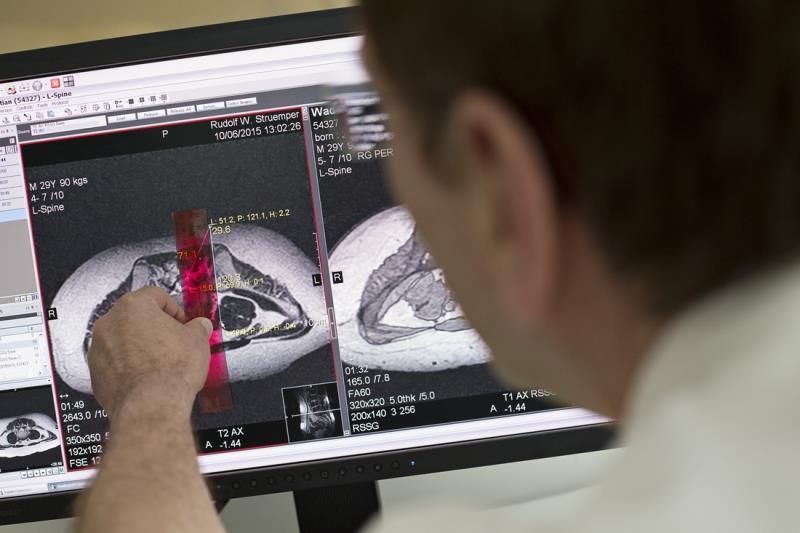
How is MRI-guided PDI therapy performed? MRI-guided pain therapy is a particularly precise procedure. Using MRI planning, fine needles are guided with millimeter accuracy to painful structures such as facet joints or nerve roots, and, if necessary, to a herniated disc, while the patient lies prone. After verifying the needle placement, the facet joints are infiltrated, or a nerve root is injected with anesthetic and anti-inflammatory medication. Naturally, a precise analysis of the pain is conducted before any therapy through a detailed interview with the patient about their pain. These findings are then compared with the results of an MRI scan. Conventional X-ray examinations have very limited diagnostic value in this context.
Classic target points for MRI therapy are primarily:
- The nerve roots in sciatic pain radiate into the leg according to the affected intervertebral disc segment; causes are usually disc bulges and herniations or age-related bony narrowing of the spinal canal or the nerve root exit foramina = MRI-guided periradicular therapy ("MRI-PRT")
- The joints of the spine, also known as facet joints, which, when overloaded due to disc damage or wear and tear, tend to cause local back pain, possibly radiating to the hip or groin, or even blockages ("lumbago") = MRI-guided facet joint therapy (facet joint osteoarthritis)
- Occasionally, the sacroiliac joints are affected as cartilaginous connections between the sacrum and the iliac bones; the cause of the pain is usually wear and tear, ligament weakness, or it occurs reactively in cases of disease of the lower lumbar intervertebral discs (MRI-guided sacroiliac joint infiltration).
A response to the therapy can be expected after 2-4 treatments. Up to 90% of patients experience a complete and long-lasting resolution of their symptoms.
Since these injections are performed under magnetic resonance imaging (MRI) guidance, the patient is not exposed to any harmful radiation.
Rare side effects of PDI
In our experience, side effects and complications from PDI are extremely rare. As with all injection techniques, a small bruise may occur at the injection site in isolated cases. If autologous blood is not used, side effects from the medications administered are always possible – for example, allergic reactions to contrast agents. The known side effects of cortisone preparations cannot be completely ruled out either.
If you have any known risk factors such as an increased tendency to bleed or a history of thrombosis, it is particularly important that you inform us before treatment. However, according to current knowledge, no serious complications have occurred with this method.
Online appointment
- Schedule now
Im Zollhafen 6, 50678 Köln, Deutschland
